

Medicaid Eligibility Rules in Ohio Explained
Medicaid in Ohio provides essential healthcare coverage for individuals and families who meet specific financial and medical requirements. While the program is highly beneficial, the eligibility rules can be confusing, especially when income, assets, and disability factors all come into play.
This is where a Medicaid Planning Attorney in Ohio can help. Many applicants are denied simply because they misunderstand eligibility rules or submit incomplete documentation.
In this guide, we’ll break down Medicaid eligibility rules in Ohio, explain who qualifies, and show how legal support can help you navigate the process successfully.
What Is Medicaid in Ohio?
Medicaid is a state and federally funded program that provides healthcare coverage for eligible low-income individuals, seniors, children, and people with disabilities.
It typically covers:
- Doctor visits and hospital care
- Prescription medications
- Long-term care services
- Disability-related healthcare
- Preventive and emergency services
Medicaid is designed to ensure access to essential healthcare for those who qualify.
Understanding the program structure is the first step in understanding eligibility rules.
Basic Medicaid Eligibility Rules in Ohio
To qualify for Medicaid in Ohio, applicants must meet several core requirements.
These include:
- Ohio residency
- S. citizenship or eligible immigration status
- Income within program limits
- Limited countable assets (for certain categories)
Each category of Medicaid may have different eligibility thresholds.
A Medicaid Eligibility Lawyer in Ohio can help determine which category you may qualify for.
Income Eligibility Rules
Income is one of the most important factors in determining eligibility.
Counted income may include:
- Wages and salaries
- Social Security benefits
- Pension or retirement income
- Certain disability payments
Even small increases in income can affect eligibility status.
Income limits vary depending on household size and Medicaid category.
Asset and Resource Rules
In addition to income, Medicaid considers assets.
Countable assets may include:
- Bank accounts
- Investments
- Some real estate (other than primary residence)
Typically exempt assets include:
- Primary home (under certain conditions)
- Personal belongings
- One vehicle
An Ohio Medicaid Benefits Lawyer can help protect assets while maintaining eligibility.
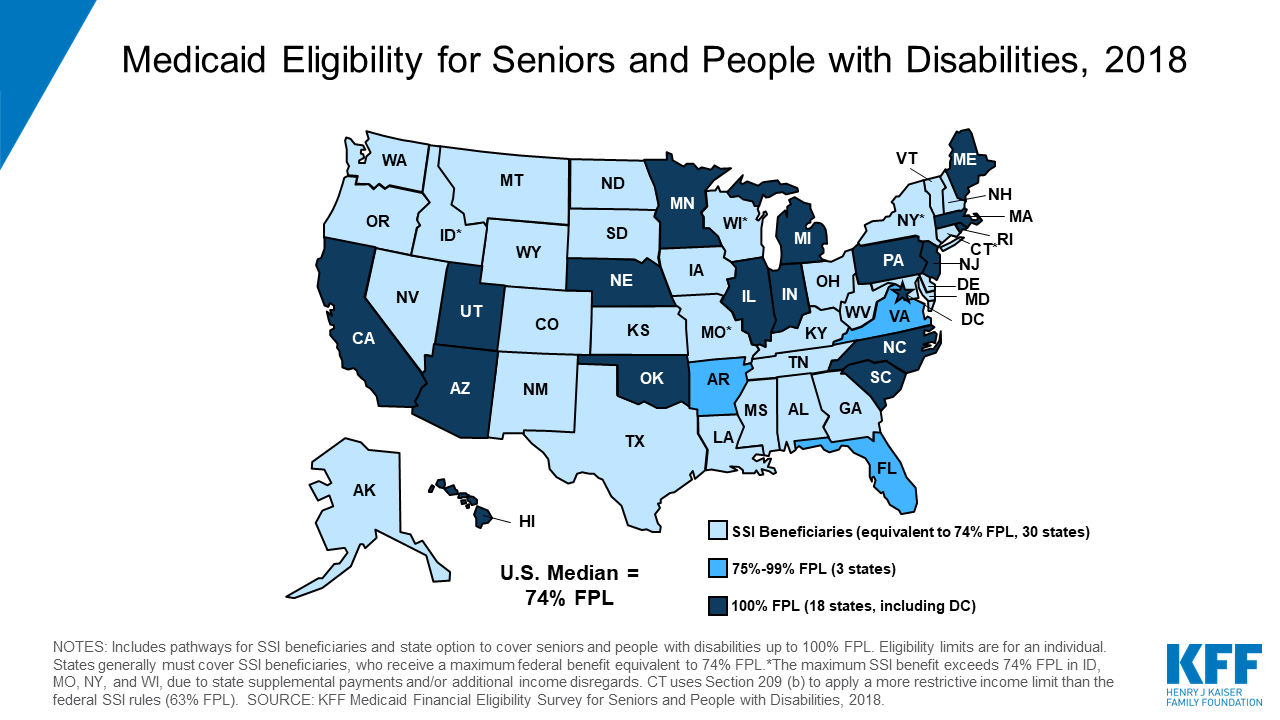
Disability-Based Medicaid Eligibility
Individuals with disabilities may qualify under specific Medicaid categories.
A Disability Medicaid Attorney in Ohio can assist if you:
- Have a qualifying physical or mental disability
- Require long-term medical care
- Are you receiving SSI or SSDI benefits
Disability-based Medicaid often requires detailed medical documentation.
Proper evidence is essential for approval.
Step 1: Apply for Medicaid in Ohio
The first step is submitting an application through Ohio’s Medicaid system.
You will need:
- Proof of income
- Asset documentation
- Identification documents
- Medical records (if disability-based)
The application must be accurate and complete to avoid delays.
Step 2: Verification and Review Process
After submission, the state reviews your application.
They may:
- Verify income and employment
- Review financial records
- Request additional documentation
- Confirm disability status (if applicable)
Missing or incorrect information is a leading cause of delays.
Step 3: Approval or Denial Decision
After review, you will receive a decision.
Possible outcomes:
- Approval for Medicaid coverage
- Denial due to ineligibility
- Request for additional information
If denied, you still have the right to appeal.
Medicaid Appeal Attorney Ohio: What If You Are Denied?
If your application is denied, a Medicaid Appeal Attorney in Ohio can help you challenge the decision.
They assist with:
- Filing formal appeals
- Gathering additional evidence
- Correcting application mistakes
- Representing you in hearings
Many Medicaid denials can be successfully appealed with proper legal support.
Medicaid Renewal Lawyer Ohio: Maintaining Coverage
Even after approval, Medicaid requires regular renewals.
A Medicaid Renewal Lawyer in Ohio can help if:
- You missed renewal deadlines
- Your coverage was unexpectedly terminated
- Your financial situation changed
Renewal issues often occur due to paperwork or missed updates.
Common Reasons Medicaid Applications Are Denied
Understanding denial reasons helps prevent mistakes.
Common issues include:
- Income above eligibility limits
- Incomplete documentation
- Asset reporting errors
- Missing deadlines
- Application inconsistencies
Most denials are technical and can be corrected.
When to Contact a Medicaid Planning Attorney in Ohio
You should consider contacting a Medicaid Planning Attorney in Ohio if:
- You are unsure about the eligibility rules
- You need help applying for Medicaid
- You were denied coverage
- You are planning for long-term care needs
- You want to protect income and assets
Legal planning helps avoid costly mistakes before they happen.
You may also want to read:
- How to Qualify for Medicaid in Ohio
- How Medicaid Waivers Work in Ohio (Step-by-Step Guide)
- Types of Medicaid Waivers Available in Ohio
Benefits of Working With a Medicaid Lawyer
A Medicaid attorney can help you:
Key benefits include:
- Understand complex eligibility rules
- Avoid application errors
- Improve approval chances
- Protect financial assets
- Handle appeals and renewals
Legal guidance makes the Medicaid process more manageable and less stressful.
Conclusion
Medicaid eligibility rules in Ohio can be complex, involving income limits, asset requirements, and sometimes disability-related criteria. While the system is designed to help those in need, small mistakes can lead to delays or denials.
Working with a Medicaid Planning Attorney in Ohio, a Medicaid Eligibility Lawyer in Ohio, or an Ohio Medicaid Benefits Lawyer can help you understand the rules clearly and submit a strong application.
With the right preparation and guidance, you can improve your chances of approval and secure the healthcare coverage you need.
